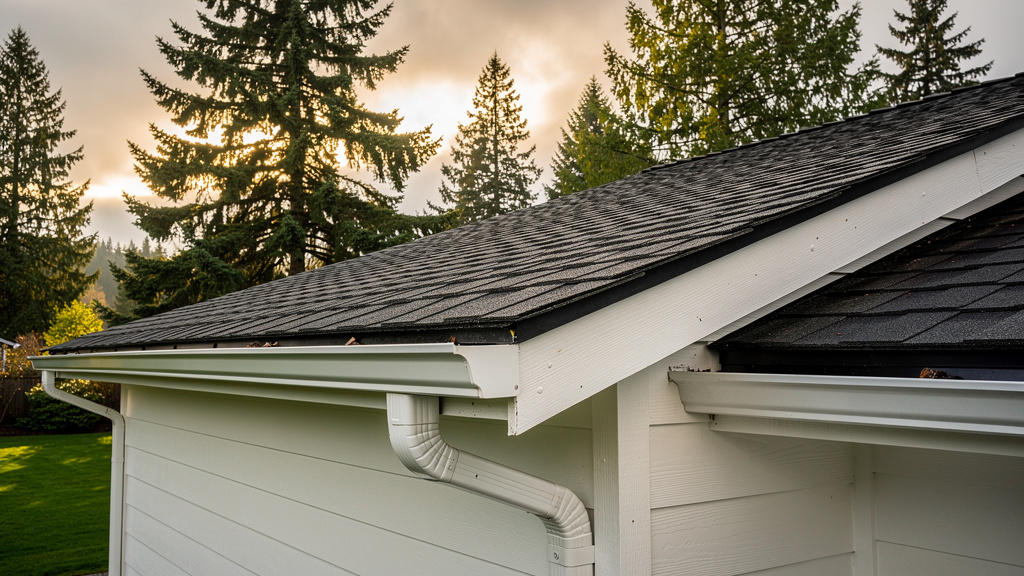
A Seattle roof typically needs replacement every 15-20 years, about 25% sooner than the national average due to the area’s persistent moisture and 37 inches of annual rainfall. Key warning signs include missing shingles, water stains, moss growth, and granule loss.
What Are the Clear Warning Signs Your Seattle Roof Needs Replacement?
Missing, curled, or cracked shingles signal immediate replacement needs. In our experience around Seattle, the persistent moisture accelerates shingle deterioration, especially on north-facing slopes where moss growth is almost inevitable.
Water stains on ceilings or walls indicate roof failure has already begun. The pattern we see most often in Seattle homes is gradual underlayment breakdown from constant moisture exposure, which allows water to penetrate before obvious exterior damage appears.
Granule loss creates bald spots on shingles, reducing their weather protection. Seattle’s frequent rain cycles cause granules to wash away faster than in drier climates. When gutters fill with granules after storms, replacement timing becomes critical.
Sagging roof sections indicate structural damage requiring immediate attention. The combination of Seattle’s wet conditions and older homes often reveals hidden moisture damage during inspection. Professional assessment becomes essential when structural issues appear.
How Does Seattle’s Climate Affect Roof Replacement Timing?
Seattle homeowners face 25% shorter roof lifespans compared to drier regions. The area receives 37 inches of annual rainfall with persistent moisture that penetrates roofing materials continuously rather than allowing proper drying periods.
Asphalt shingle roofs last 15-20 years in Seattle versus the 20-30 year national average. The constant moisture cycles cause faster deterioration of the asphalt binders and backing materials. This shortened lifespan affects replacement planning and budgeting significantly.
Moss and algae growth accelerates roof wear by retaining moisture against shingles. Areas with limited sun exposure, particularly north-facing slopes, develop moss coverage that lifts shingles and allows water infiltration. Regular cleaning helps but doesn’t prevent the underlying moisture damage.
The mild temperatures prevent freeze-thaw cycles but create year-round moisture exposure. Unlike regions with distinct dry seasons, Seattle roofs never fully dry out, leading to consistent degradation of all roofing components including flashings and underlayment.
What Does Roof Replacement Cost in Seattle?
Seattle roof replacement costs average $11,290 to $45,000+ depending on home size and materials. A typical 2,500 square foot home with asphalt shingles ranges from $20,000-$35,000 including labor and materials.
Labor costs run $2.50-$4.50 per square foot, reflecting Seattle’s higher wage standards compared to surrounding areas. The skilled labor shortage in the Pacific Northwest pushes roofing contractor rates 10-25% above national averages.
Hidden damage repairs commonly add $4,000-$12,000 to replacement projects. Seattle’s moisture exposure often reveals rotted decking, damaged rafters, or inadequate ventilation systems once old roofing is removed. These structural repairs become necessary for code compliance.
Material costs vary significantly based on performance requirements for the Pacific Northwest climate. Standard asphalt shingles work adequately, but architectural shingles with better moisture resistance often prove more cost-effective long-term given Seattle’s demanding conditions.
When Should You Schedule Replacement vs. Repair?
Replacement becomes necessary when roof age exceeds 15 years and multiple problem areas exist. Single issues like isolated leaks or missing shingles can often be repaired, but widespread deterioration requires full replacement for reliable protection.
Washington State Building Code requires complete removal of existing roof coverings down to the deck during replacement. This tear-off process reveals hidden problems that overlay installation would miss, making replacement the safer long-term choice.
Spring scheduling provides optimal installation conditions and preparation for Seattle’s wet season. Most roofing contractors experience peak demand in late spring and early summer, so early scheduling ensures better availability and pricing.
Insurance claims for storm damage should be filed promptly, as many policies require notification within specific timeframes. Seattle’s wind and rain storms can cause sudden failures that qualify for coverage, but documentation timing affects claim success.
How Much Do Different Roofing Materials Cost in Seattle?
| Material Type | Cost Per Sq Ft | Lifespan (Seattle) | Best For |
|---|---|---|---|
| Asphalt Shingles | $3.50-$5.50 | 15-20 years | Budget-conscious homes |
| Architectural Shingles | $4.50-$7.00 | 20-25 years | Better wind/moisture resistance |
| Metal Roofing | $7.00-$14.00 | 40-50 years | Long-term investment |
| Cedar Shake | $8.00-$12.00 | 20-30 years | Traditional PNW aesthetic |
Metal roofing performs exceptionally well in Seattle’s climate, with standing-seam systems providing superior moisture protection. The higher upfront cost often balances against the extended lifespan and minimal maintenance requirements.
Cedar shake maintains its traditional Pacific Northwest appeal but requires regular treatment and maintenance. Proper installation with adequate ventilation extends lifespan, but the material’s natural moisture absorption creates ongoing care requirements.
Composite materials offer middle-ground solutions with better moisture resistance than basic asphalt but lower costs than premium options. These materials work well for Seattle conditions while providing 25-30 year lifespans with proper installation.
FAQ
How often should I inspect my roof in Seattle? NRCA recommends biannual inspections to catch problems early before major damage occurs.
Do I need a permit for roof replacement in Seattle? Most residential roof replacements don’t require permits unless structural changes are made.
Can I install new shingles over my existing roof? Washington State Building Code requires complete removal down to the roof deck for replacement.
What’s the best time of year to replace a roof in Seattle? Late spring through early fall provides optimal weather conditions for installation.
How long does roof replacement take in Seattle? Most residential replacements take 2-4 days depending on size, weather, and complexity.
Will a new roof increase my home’s value in Seattle? New roof replacement typically provides 50-70% return on investment in Seattle’s market.
Sources
This answer was prepared using public roofing guidance, manufacturer information, cost benchmarks, and code references available at the time of publication.
- Washington State Building Code Council: Chapter 9 Roof Assemblies — roof replacement requirements and ice barrier standards
- City of Bellevue: Permit and Energy Code Requirements — permit thresholds for roofing work
- RC Roofing Contractors (NRCA guidelines): NRCA Roof Inspection Standards — inspection frequency and best practices
- RoofSmart: Seattle Roof Replacement Cost Guide — local pricing and climate impacts
- SEA Renovation: Seattle Roof Replacement Timing — climate effects on roof lifespan
Last updated: April 27, 2026
Are you a roofing company?
GroundRank created this content automatically to help businesses show up when customers search.