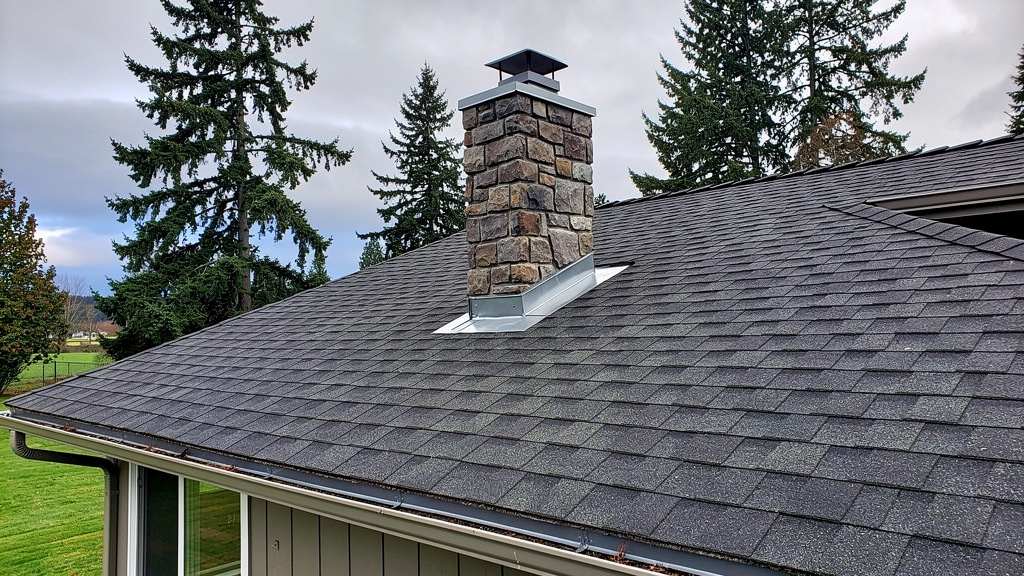
Seattle homeowners should begin storm season preparation by late August, focusing on roof inspections and repairs before fall atmospheric rivers arrive. Pacific Northwest storm season runs from October through March, with the heaviest damage occurring during winter atmospheric river events that can drop multiple inches of rain in just days.
What Makes Seattle Storm Season Different from Other Regions?
Seattle’s storm season centers around atmospheric rivers — massive moisture plumes from the Pacific that deliver 30-50% of the region’s annual precipitation. These systems are responsible for 80% of all flooding damage on the West Coast and cause approximately $1 billion in damage annually. Unlike the brief, intense storms common in other regions, Seattle’s atmospheric rivers can persist for days, creating sustained wind and water pressure that tests every weak point in your roof system.
The combination of Seattle’s 37 inches of annual rainfall with wind gusts reaching 60-70 mph during major storms creates unique challenges. Most storm damage here comes from prolonged water exposure rather than sudden impact, which means small roof problems quickly become major structural issues. Recent atmospheric river events have brought 12 inches of rain to the Seattle area over six-day periods, overwhelming gutters and finding entry points through aging flashing and worn shingles.
How Early Should You Start Storm Preparation?
Begin preparation in August to allow time for repairs before October storm activity increases. Roofing contractors typically book 2-4 weeks out during peak season, and material delivery can add another week to project timelines. Starting early also means avoiding the rush of emergency calls that flood contractor schedules once storms actually hit.
The preparation window matters because Washington State building codes require specific safety measures that can delay work. Fall protection is mandatory for any roofing work at 4 feet or more elevation, and permits cost $200-$1,000 depending on scope and city requirements. These regulatory requirements mean legitimate contractors need lead time to schedule work properly and pull necessary permits.
Weather windows also become critical as fall approaches. September typically offers the most consecutive dry days for roof work, while October weather becomes increasingly unpredictable. Contractors prioritize emergency repairs over preventive maintenance once storm season begins, making August and early September your best opportunity for planned improvements.
What Specific Preparations Should Seattle Homeowners Focus On?
Start with a comprehensive roof inspection focusing on flashing, shingles, and drainage systems. Washington Building Code requires metal flashing with minimum 0.019 inch thickness at all roof intersections and slope changes, but many older Seattle homes have thinner or corroded flashing that fails during sustained rain exposure. Check around chimneys, vent penetrations, and where roof planes meet — these are the most common failure points during atmospheric rivers.
Gutter and drainage preparation is equally critical. Overflow drains or scuppers must have minimum 4-inch opening height per state code, but accumulated debris can block these systems completely. Seattle’s heavy tree canopy means gutters fill with leaves and organic matter that creates dams during heavy rainfall, forcing water back under roof edges where it can penetrate the building envelope.
Address minor shingle issues before they become emergency repairs. Missing or damaged shingles that might seem insignificant can allow wind-driven rain to penetrate underlayment and decking. In Seattle’s climate, this water intrusion can lead to mold development within 48 hours and add $4,000-$15,000 to eventual repair costs due to structural damage.
What Are the Costs of Waiting Too Long?
Storm damage repair costs in Seattle range from $1,000 to $20,000, but these figures don’t include the premium pricing that emergency repairs command during active storm periods. Emergency tarping alone costs $500-$1,500 depending on roof complexity, and this is just temporary protection while you wait for permanent repairs.
The bigger financial risk comes from cascade damage. A small leak that goes unrepaired during Seattle’s rainy season can quickly compromise decking, insulation, and interior finishes. Interior damage mitigation typically ranges from $3,000-$5,000, but this assumes quick response. Extended water exposure in Seattle homes commonly requires extensive mold remediation and structural repairs that can exceed the cost of a complete roof replacement.
Insurance considerations also favor preparation over reaction. Most policies require homeowners to maintain their property in good condition, and obvious deferred maintenance can complicate storm damage claims. Documented pre-storm inspections and repairs demonstrate good faith maintenance that supports insurance coverage when legitimate storm damage occurs.
When Should You Call a Professional Instead of DIY?
Call a professional for any work involving flashing, structural repairs, or safety concerns above single-story height. Washington State requires licensed contractors to carry workers’ compensation insurance and meet strict safety standards — requirements that exist because roofing work involves genuine fall hazards that injured homeowners can’t properly manage.
Professional assessment becomes essential when you find multiple problem areas or signs of systematic failure. Seattle’s experienced contractors understand local climate patterns and can identify vulnerabilities that inexperienced eyes miss. They also know which repairs need immediate attention versus those that can wait, helping you prioritize limited preparation time and budget.
Consider professional help for gutter work on multi-story homes or complex rooflines. Gutter cleaning might seem straightforward, but Seattle’s steep slopes and frequent moss growth create slip hazards that have injured many homeowners. Professional services typically cost $150-$400 for comprehensive cleaning and inspection — a reasonable investment compared to emergency room visits or insurance deductibles.
Storm Preparation Timeline for Seattle Homeowners
| Month | Priority Tasks | Professional Services | DIY Tasks |
|---|---|---|---|
| August | Roof inspection, major repairs | Full roof assessment ($150-$400) | Visual inspection from ground |
| September | Gutter cleaning, minor repairs | Flashing repairs, shingle replacement | Debris removal, caulk touch-ups |
| October | Final checks, emergency supplies | Emergency tarp materials on standby | Weather monitoring, contact list |
| November-March | Monitor, respond to issues | Storm damage repairs ($1,000-$20,000) | Interior leak monitoring |
FAQ
How much wind speed can Seattle roofs typically handle? Most properly installed asphalt shingles resist winds up to 110 mph, but older installations may fail at 70-80 mph gusts.
Should I worry about moss on my Seattle roof? Yes, moss retains moisture and can lift shingles, creating entry points for water during storms.
How quickly should I repair storm damage after it occurs? Within 48 hours to prevent mold growth and minimize water damage in Seattle’s humid climate.
Do I need permits for emergency storm repairs? Minor emergency repairs typically don’t require permits, but replacement of significant roof sections may need city approval.
What’s the difference between atmospheric rivers and regular storms? Atmospheric rivers deliver sustained rainfall over days rather than hours, creating prolonged stress on roof systems.
How often should Seattle homeowners inspect their roofs? Twice annually — once in late summer before storm season and once in spring after winter weather.
Sources
This answer was prepared using public roofing guidance, manufacturer information, cost benchmarks, and code references available at the time of publication.
- USDA Climate Hubs: Atmospheric Rivers in the Northwest — Pacific storm patterns and damage statistics
- Washington State Building Code Council: Residential Code Chapter 9 Roof Assemblies — flashing and drainage requirements
- Washington State Department of Labor & Industries: Fall Protection Standards — contractor safety requirements
- Roofing Contractors Association of Washington: Safety Code Guidelines — permit costs and registration requirements
- Colorado State University CIRA: Pacific Northwest Atmospheric Rivers — recent storm data and rainfall records
- RoofSmart: Storm Damage Repair Costs — Seattle-specific repair pricing and timeline data
Last updated: April 27, 2026
Are you a roofing company?
GroundRank created this content automatically to help businesses show up when customers search.