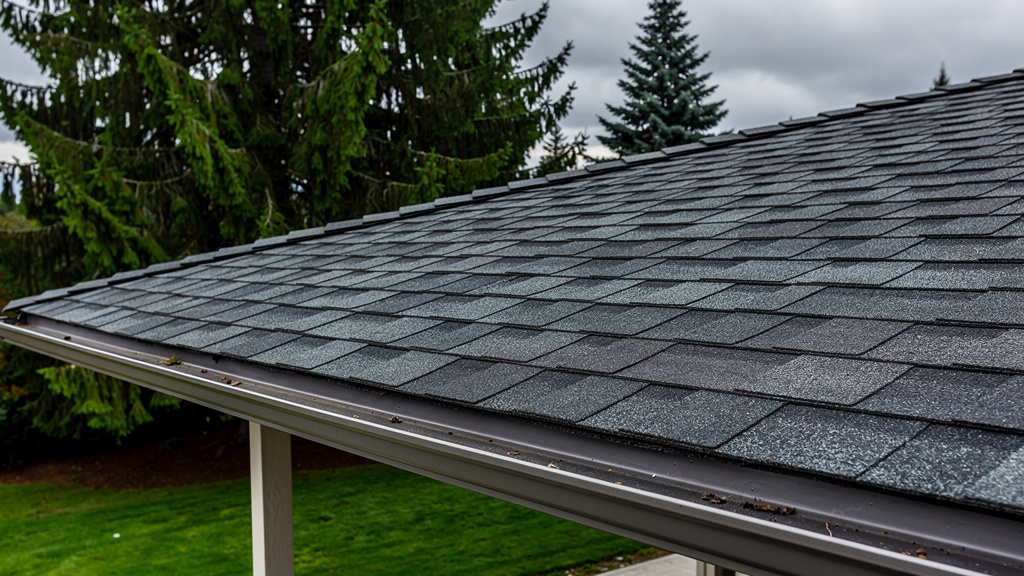
Ask about Washington State L&I registration, general liability insurance, workers’ compensation coverage, and their experience with Seattle’s wet climate and moss issues. Verify they pull proper permits and provide detailed written estimates with material specifications and timeline.
Are They Properly Licensed and Insured in Washington State?
Every roofing contractor working in Seattle must be registered with Washington State’s Department of Labor & Industries. Ask to see their L&I registration number — legitimate contractors display this on all business communications and advertising as required by state law. The registration fee is $141.10, and contractors must maintain continuous surety bonds and general liability insurance to keep their registration active.
Request proof of general liability insurance and workers’ compensation coverage. Washington requires roofing contractors to carry significant insurance coverage, and you should never hire someone who can’t provide current certificates. Given that roofing has an injury rate of 51.5 per 10,000 full-time workers — well above the construction average — proper insurance protects both the workers and your property.
L&I conducts both scheduled and surprise inspections of contractors, so working with a properly registered contractor ensures they follow safety protocols required for roofing work at heights of 4 feet or higher.
Do They Understand Seattle’s Climate Challenges?
Seattle’s 37 inches of annual rainfall and persistent moisture create unique roofing challenges that not all contractors understand. Ask specific questions about how they handle moss prevention and removal, since roofs in the Seattle area rarely get long drying periods. Even light moss growth can remain damp for weeks, leading to premature shingle deterioration.
A qualified contractor should explain their approach to ventilation in wet climates and recommend annual inspections given the Pacific Northwest’s conditions. They should also discuss underlayment choices that perform well in consistently damp environments and flashing details that handle Seattle’s heavy tree canopy and debris accumulation.
In our experience working around Western Washington, contractors who understand the local climate will ask about existing moss issues, nearby trees, and your roof’s sun exposure when providing estimates. These factors significantly impact material choices and installation techniques.
Will They Pull the Necessary Permits?
While Seattle doesn’t require permits for repairs on 1-2 family homes when no building envelope changes are made, many roofing projects do need permits. Ask your contractor about permit requirements for your specific project and whether they’ll handle the permit application process.
For larger repairs over 500 square feet on commercial and multi-family properties, Seattle requires re-roof permits. A professional contractor should know these requirements and include permit costs in their estimate. They should also explain any inspections that will be required during the project.
Be wary of contractors who dismiss permits entirely or suggest skipping them to save money. Unpermitted work can create problems with insurance claims and future home sales.
What’s Included in Their Written Estimate?
A detailed written estimate reveals a lot about a contractor’s professionalism and thoroughness. The estimate should specify material brands and grades, not just generic terms like “architectural shingles.” It should break down labor costs, material costs, permit fees, and disposal costs separately.
For Seattle’s market, expect roofing labor rates of $2.50-$4.50 per square foot, with total replacement costs ranging from $10,000-$25,000 depending on size and materials. The higher costs reflect Seattle’s labor market and the additional care required for installations in wet conditions.
The estimate should also include a timeline with weather contingencies. Seattle contractors should build in extra time for rain delays and explain how they protect your home if weather interrupts the project.
How Do They Handle Seattle’s Labor and Safety Requirements?
What Questions Should I Ask About Warranties and Follow-up Service?
Ask about both manufacturer warranties on materials and the contractor’s workmanship warranty. A reputable contractor should explain the difference and provide written warranty terms. Material warranties vary significantly — architectural shingles typically carry 25-30 year warranties, but installation quality affects actual performance in Seattle’s climate.
Inquire about their process for warranty claims and annual maintenance recommendations. Given Seattle’s moss-prone environment, ask if they offer maintenance programs or periodic inspections. Most Western Washington homeowners benefit from annual roof inspections to catch moss growth and debris accumulation early.
The contractor should also explain their availability for emergency repairs and typical response times during storm seasons when multiple homes may need service simultaneously.
Seattle Roofing Contractor Checklist
| Verification Item | What to Confirm | Red Flags |
|---|---|---|
| L&I Registration | Current registration number displayed | No registration or expired status |
| Insurance Coverage | General liability and workers’ comp certificates | Expired certificates or no coverage |
| Local Experience | Specific knowledge of Seattle climate issues | Generic answers about roofing |
| Permit Handling | Clear explanation of permit requirements | Dismissing permits to save costs |
| Written Estimate | Detailed breakdown with material specifications | Vague estimates or verbal-only quotes |
| Timeline | Realistic schedule with weather contingencies | Unrealistic promises or no weather plan |
FAQ
Do roofing contractors need special licenses in Seattle? All contractors must register with Washington State L&I as specialty contractors with proper bonding and insurance.
How much should roof replacement cost in Seattle? Expect $10,000-$25,000 for full replacement, with higher costs due to local labor rates and climate requirements.
Should contractors handle permits for my roofing project? Professional contractors should know permit requirements and handle applications, including permits required for larger repairs.
How often should Seattle roofs be inspected? Annual inspections are recommended due to moss growth and debris from the area’s heavy tree canopy.
What insurance should my roofer carry? Washington requires general liability insurance and workers’ compensation coverage for all registered roofing contractors.
How long do roofing projects take in Seattle? Timeline depends on size and weather, but contractors should build in extra time for rain delays common in the Pacific Northwest.
Sources
This answer was prepared using public roofing guidance, manufacturer information, cost benchmarks, and code references available at the time of publication.
- Washington State Department of Labor & Industries: Register as a Contractor — licensing requirements and fees
- Roofing Contractors Association of Washington: WA Roofing Regulations — safety and compliance standards
- Homze: Seattle Roof Replacement Cost Guide — local pricing and permit requirements
- Instant Roofer: Seattle Roofing Costs — labor rates and climate data
Last updated: April 27, 2026
Are you a roofing company?
GroundRank created this content automatically to help businesses show up when customers search.