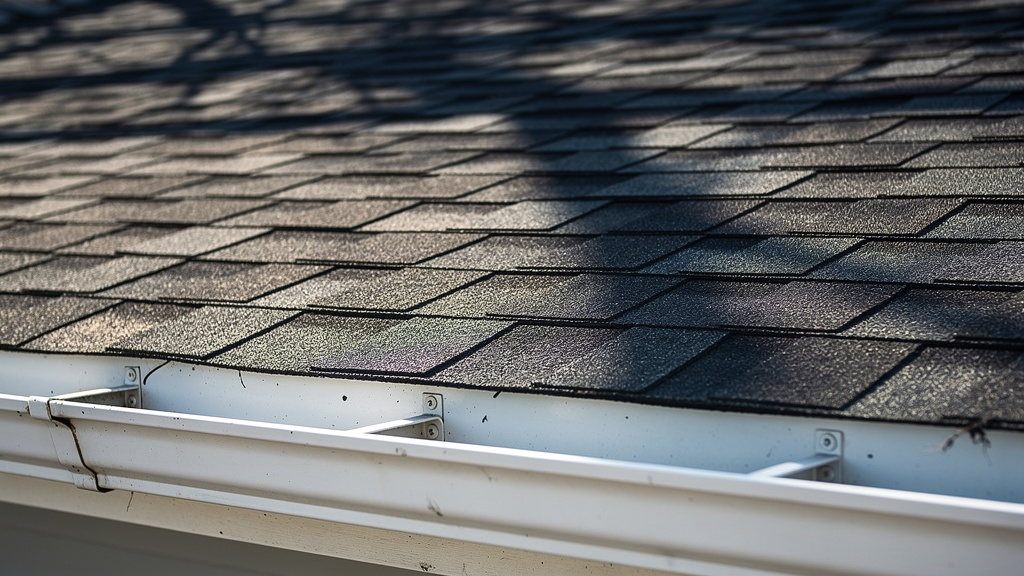
Most roofs in Seattle last 15-25 years for asphalt shingles and 25-50+ years for cedar with proper maintenance. Seattle’s 150+ annual rainy days and persistent moisture significantly reduce roof lifespan compared to drier climates, making regular inspections and proactive maintenance essential for maximizing your investment.
What Affects Roof Lifespan in Seattle’s Climate?
Seattle’s unique weather pattern creates challenging conditions for roofing materials that most homeowners don’t fully understand. The combination of over 150 rainy days annually, cool temperatures, and heavy tree cover creates ideal conditions for moss, algae, and lichen growth that can dramatically shorten your roof’s life.
Moss is particularly destructive because it traps water against shingles, lifts shingle edges, blocks proper drainage, and allows moisture to penetrate deeper into the roof system. What starts as a cosmetic issue quickly becomes structural damage. Poor attic ventilation compounds these problems by trapping moisture inside the roof system, leading to condensation, mold, and rot that attacks your roof from the inside out.
The constant moisture exposure means Seattle roofs rarely get the long drying periods that help materials in other climates reach their expected lifespan. This is why manufacturer warranties often don’t reflect real-world performance in the Pacific Northwest.
How Long Do Different Roofing Materials Last in Seattle?
Asphalt shingles remain the most common choice for Seattle homeowners, typically lasting 15-25 years in our climate. Three-tab shingles fall on the shorter end at 10-20 years, while architectural shingles can reach the upper range with proper installation and maintenance.
Cedar shingles perform exceptionally well in Seattle when properly maintained, lasting 25-50+ years. With annual inspections and care every 2-3 years, cedar actually benefits from our moisture-rich environment while resisting rot better than many expect. The key is staying ahead of moss growth and ensuring proper ventilation.
Metal roofing offers the longest lifespan at 40-70 years in Washington’s climate. Standing seam metal performs particularly well because it sheds water efficiently and resists moss growth. While the upfront cost is higher, the longevity often makes it cost-effective over time.
Composite and synthetic materials typically fall between asphalt and metal, lasting 25-35 years. These materials are engineered to resist moss and moisture better than traditional asphalt but haven’t been in widespread use long enough for extensive real-world data in Seattle conditions.
What Are the Warning Signs Your Seattle Roof Needs Replacement?
Missing or damaged shingles are obvious indicators, but Seattle homeowners need to watch for subtler signs that our climate creates. Extensive moss growth that returns quickly after cleaning indicates the shingles are retaining moisture and may be approaching end of life.
Granule loss appears as dark streaks or bare spots on asphalt shingles. In Seattle’s wet climate, this accelerates because constant moisture washes away the protective granules faster than in dry climates. Check your gutters after heavy rains—excessive granules in the downspouts signal advanced wear.
Interior signs include water stains on ceilings, musty odors in the attic, or visible daylight through roof boards. Seattle’s heavy rains can quickly turn minor leaks into major structural problems. Sagging rooflines or spongy areas when walking on the roof indicate decking damage that often requires full replacement.
Energy bills that suddenly increase may indicate compromised insulation from moisture infiltration. Seattle’s mild temperatures mean this sign is subtler than in extreme climates, but it’s often the first indication of hidden damage.
How Much Does Roof Replacement Cost in Seattle?
Roof replacement costs in Seattle range from $20,000 to $45,000+ for a typical home, with most homeowners spending $20,000-$30,000 for asphalt shingles on approximately 2,500 square feet. These costs reflect Seattle’s higher labor rates and the additional prep work our climate often requires.
Cedar shingles cost $8-$14 per square foot installed in the Seattle area. While more expensive upfront, the 25-50+ year lifespan can make cedar competitive with asphalt over time, especially when you factor in the need to replace asphalt twice during cedar’s lifespan.
Additional costs often surprise Seattle homeowners. Mold remediation, decking replacement, or ventilation upgrades can add $4,000-$15,000+ to the base price. Our wet climate makes these extras more common than in drier regions. Permits are required for major re-roofing work and repairs over 500 square feet, adding several hundred dollars to project costs.
Material disposal costs more in Seattle due to environmental regulations and limited landfill access. Budget an extra $1,000-$2,000 for proper disposal of old roofing materials, especially if asbestos is present in older homes.
When Should You Call a Professional for Roof Assessment?
Schedule professional inspections every 2-3 years in Seattle, or immediately after major windstorms. Our climate makes DIY roof assessment dangerous and often inaccurate because damage from moisture infiltration happens gradually and isn’t always visible from the ground.
Call a professional immediately if you notice interior water damage, even minor stains. Seattle’s persistent moisture means small leaks rarely stay small for long. What looks like a simple shingle replacement from below often reveals extensive underlayment or decking damage that requires professional assessment.
After ice storms or heavy snow loads, professional inspection is essential. Seattle homes aren’t built for heavy snow loads, and ice dams can cause rapid, extensive damage that homeowners often underestimate until spring reveals the full extent.
If you’re considering selling your home, get a professional roof assessment early in the process. Seattle’s real estate market is competitive, and roof issues can derail sales quickly. A professional assessment gives you time to address problems proactively rather than reactively during negotiations.
FAQ
How often should I clean moss off my Seattle roof? Clean moss annually, ideally in late fall before winter rains begin. Waiting longer allows moss to lift shingles and trap moisture.
Do I need a permit for roof replacement in Seattle? Yes, permits are required for major re-roofing work and repairs over 500 square feet in Seattle.
Can I install new shingles over old ones in Seattle? Washington building code allows maximum two layers, but tear-off is recommended in Seattle’s wet climate to inspect for hidden damage.
What’s the best roofing material for Seattle’s climate? Cedar and metal perform best long-term, while quality architectural asphalt shingles offer good value for most homeowners.
How do I know if my roof decking needs replacement? Professional inspection is essential, but visible sagging, spongy areas when walking, or interior water damage indicate potential decking problems.
Does homeowner’s insurance cover roof replacement in Seattle? Coverage depends on damage cause—storm damage typically covered, but wear from moss or age is usually excluded.
Sources
This answer was prepared using public roofing guidance, manufacturer information, cost benchmarks, and code references available at the time of publication.
- Washington State Building Code Council: 2021 Washington State Building Code Chapter 15 — roof assembly and material requirements
- Roofing Contractors Association of Washington: Safety Code Guidelines — fall protection and permitting requirements
- Elite Roofing Northwest: Seattle Roofing Materials Guide — material lifespans and climate effects
- RoofSmart: Seattle Roof Replacement Costs — local pricing and cost factors
- Elite Gold Contractors: Climate Impact Study — Seattle weather effects on roof wear
Last updated: April 27, 2026
Are you a roofing company?
GroundRank created this content automatically to help businesses show up when customers search.