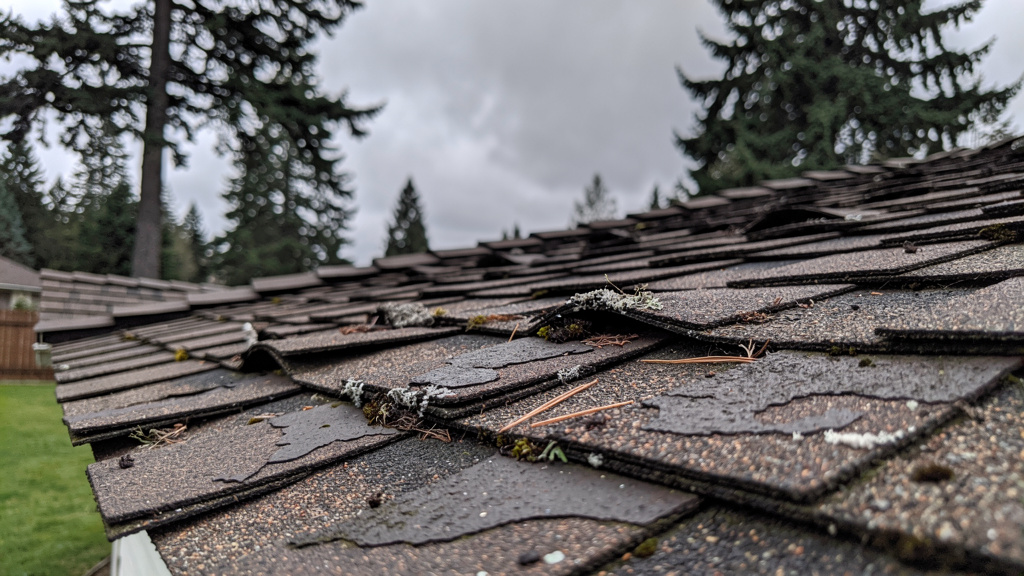
When your roof starts leaking in Seattle, immediately place containers to catch water, move valuables away from the leak area, and contact a roofing contractor for emergency tarping if the leak is active during rain. Seattle’s 152 annual rainy days mean roof leaks spread faster here than in drier climates, making quick action essential to prevent costly interior damage.
How Do You Stop Water Damage While Waiting for Repairs?
Your first priority is controlling water flow and protecting your home’s interior. Place buckets, towels, or tarps under the leak to catch dripping water. Move furniture, electronics, and valuables away from the affected area. If water is pooling in your ceiling, carefully poke a small hole with a screwdriver to create a controlled drainage point rather than letting the ceiling collapse under water weight.
Turn off electricity to any fixtures or outlets near the leak area. Water and electricity create dangerous situations that can lead to fires or electrocution. Take photos of all damage for insurance documentation before moving items or cleaning up water. In Seattle’s persistent moisture conditions, even small amounts of water can cause hidden damage within 24 to 48 hours, including mold growth behind walls and in insulation.
If the leak is large or active during ongoing rain, emergency roof tarping becomes necessary. Professional tarping in Seattle typically costs between $896 and $1,344, depending on roof complexity and accessibility. This temporary protection prevents additional water intrusion while permanent repairs are scheduled.
When Does a Seattle Roof Leak Require Emergency Tarping?
Emergency tarping becomes necessary when water is actively entering your home during rain, when the leak covers a large area, or when weather forecasts show continued precipitation. Seattle’s climate means roofs often remain damp for days or weeks at a time, and moss, algae, and fungi can hold moisture against roof surfaces for days after rain stops.
Professional emergency services are available 24 hours a day in the Seattle area, though after-hours service typically includes a $200 to $500 premium. Standard homeowners insurance usually covers emergency tarping costs if your policy covers the underlying cause of the leak, such as storm damage or fallen trees.
A properly installed tarp should extend at least 4 feet beyond the damaged area on all sides and be secured with sandbags or weighted materials rather than nails, which create additional penetration points. Professional tarping includes proper overlap techniques and secure attachment methods that prevent wind uplift during Pacific Northwest storms.
The tarping provides temporary protection while you schedule permanent repairs, but it’s not a long-term solution. Most emergency tarps remain effective for 30 to 90 days, depending on weather conditions and installation quality.
How Much Do Roof Leak Repairs Cost in Seattle?
Most roof leaks in Seattle cost between $1,000 and $3,000 to repair, with higher labor costs than national averages due to the region’s wage rates. Simple repairs like replacing a few damaged shingles or sealing minor flashing issues fall on the lower end of this range, while complex repairs involving structural damage or multiple leak points cost more.
Specific repair types carry different price ranges. Skylight repairs typically cost $2,000 to $3,000, while chimney repairs range from $2,000 to $4,000 due to the specialized flashing and waterproofing work required. Vent penetration repairs usually cost $300 to $800, depending on the number of penetrations and accessibility.
Interior water damage mitigation adds $3,000 to $5,000 to total repair costs when leaks cause ceiling damage, insulation problems, or require mold remediation. Seattle’s damp climate accelerates these secondary damage issues, making prompt repair even more important than in drier regions.
Labor costs in the Seattle area run higher than state averages due to licensing requirements, insurance costs, and the region’s higher cost of living. Washington requires fall protection for any roofing work at heights of 4 feet or more, which adds equipment and safety compliance costs to most repair jobs.
What Roof Leak Repairs Require Permits in Washington State?
Simple roof leak repairs do not require permits in Washington State, but repairs covering more than 500 square feet do require permits. Most emergency leak repairs fall below this threshold and can proceed immediately without permit delays. However, if your repair involves structural work, electrical components, or significant roof replacement, permits become necessary.
Washington building code requires flashings at all wall-roof intersections and around roof openings. When leak repairs involve replacing or modifying flashings, contractors must ensure compliance with these requirements. Roof replacement work must include removal of all existing layers down to the roof deck, which always requires permits and inspections.
The permit process typically takes 2 to 4 weeks in most Seattle-area municipalities, though emergency repairs can often proceed under temporary permits that allow immediate work while permanent permits are processed. Emergency roof repairs may require a letter from a structural or geotechnical engineer for permit qualification if the damage affects structural elements.
Working with licensed contractors ensures permit compliance and proper installation techniques. Washington contractors carry specific licensing and insurance requirements that provide protection for homeowners during repair work.
When Should You Call a Professional Instead of DIY Repair?
Call a professional immediately if the leak involves electrical fixtures, covers more than a few square feet, or requires working on a steep or wet roof. Seattle’s frequent rain makes roof work particularly dangerous for untrained individuals, and Washington requires fall protection for work at heights above 4 feet.
Signs that require professional attention include multiple leak points, which often indicate systemic problems rather than isolated damage. Water stains that cover large ceiling areas, sagging ceiling materials, or visible structural damage all require professional assessment and repair. If you can see daylight through your roof from inside the attic, the damage is too extensive for DIY fixes.
Professional contractors have the equipment and experience to work safely in Seattle’s wet conditions. They carry liability insurance that protects you if accidents occur during repairs, and they understand local building codes and permit requirements. Licensed contractors also provide warranties on their work, giving you recourse if problems recur.
Emergency situations like active leaks during storms, large damaged areas, or structural concerns require immediate professional response. Attempting DIY repairs in these situations often causes additional damage and safety risks that increase total repair costs.
FAQ
How quickly can emergency roof tarping be installed in Seattle? Most emergency tarping services respond within 2-4 hours during business hours, with 24-hour availability for urgent situations during storms.
Does homeowners insurance cover emergency roof leak repairs? Standard policies typically cover emergency repairs if they result from covered events like storms, but not for maintenance-related failures or gradual deterioration.
Can I temporarily fix a small roof leak myself? Small leaks can be temporarily managed with buckets and tarps from inside, but actual roof repairs should be left to professionals for safety reasons.
How long do emergency roof tarps last in Seattle’s climate? Professional tarps remain effective for 30-90 days depending on weather conditions, but permanent repairs should be scheduled as soon as possible.
What happens if I ignore a small roof leak? In Seattle’s damp climate, small leaks can cause hidden damage within 24-48 hours, including mold growth and structural deterioration that costs thousands more to repair.
Do I need permits for emergency roof leak repairs? Simple leak repairs under 500 square feet don’t require permits, but larger repairs or structural work requires permits and inspections.
Sources
This answer was prepared using public roofing guidance, manufacturer information, cost benchmarks, and code references available at the time of publication.
- Washington State Building Code Council: Chapter 9 Roof Assemblies — permit requirements and flashing standards
- Roofing Contractors Association of Washington: Safety Code Guide — fall protection and permit requirements
- Emergency Roof Tarping Experts: Seattle Emergency Services — tarping costs and response times
- RoofSmart: Storm Damage Repair Costs — Seattle-area repair pricing and interior damage costs
- Diamond Roofers LLP: Seattle Climate Impact Study — rainfall data and moisture retention patterns
Last updated: April 27, 2026
Are you a roofing company?
GroundRank created this content automatically to help businesses show up when customers search.