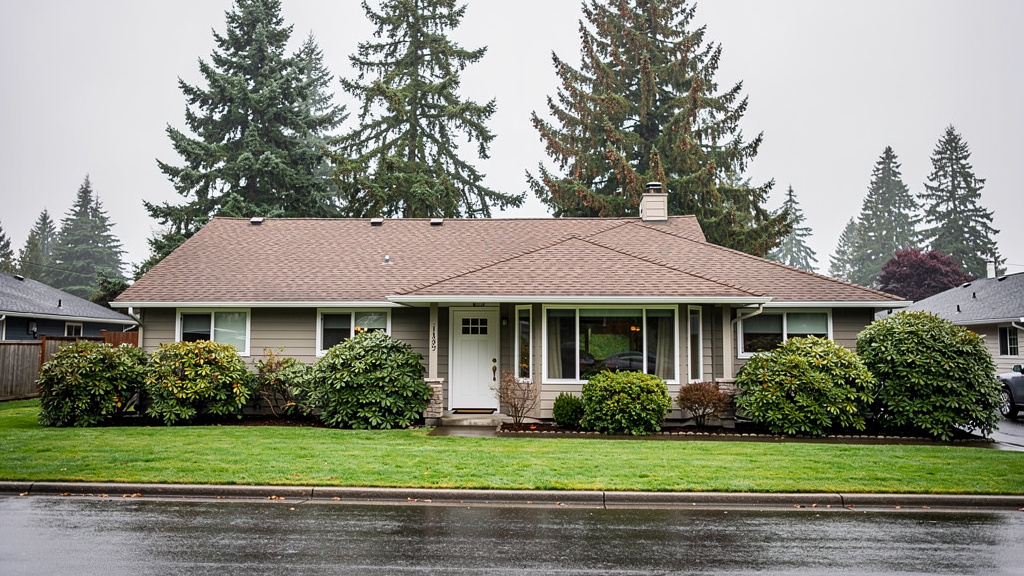
Seattle homeowners should schedule professional roof inspections twice yearly — typically in spring and fall — to catch damage from the city’s 150+ rainy days and persistent moisture conditions. The National Roofing Contractors Association recommends this biannual approach as industry best practice, especially critical in Seattle’s climate where moss growth and water damage accelerate roof deterioration.
Why Does Seattle’s Climate Demand More Frequent Roof Inspections?
Seattle’s unique weather pattern creates the perfect storm for roof damage. With over 150 rainy days annually and only 37 inches of total rainfall, the city experiences persistent moisture rather than heavy downpours that dry quickly. This constant dampness prevents roofing materials from fully drying between rain events, accelerating wear and creating ideal conditions for moss and algae growth.
The combination of abundant rain, humidity, moderate temperatures, and minimal sun exposure means north-facing roof sections can remain damp for days while sun-exposed areas dry the same day. This uneven moisture pattern stresses roofing materials and creates microclimates where moss thrives. Unlike other cities where roof moss removal is uncommon, Seattle has developed an entire industry around this problem because moss grows so vigorously here.
When moss takes hold, it lifts shingle edges and traps water underneath, causing backup that can lead to interior leaks. What starts as a minor moss problem can quickly escalate to structural damage if left unchecked. Regular inspections catch these issues while they’re still manageable and inexpensive to fix.
What Should Spring Roof Inspections Focus On?
Spring inspections should assess winter storm damage and prepare your roof for the upcoming wet season. Seattle’s mild winters may seem gentle, but persistent moisture and occasional windstorms can cause significant damage that’s invisible from ground level. Professional inspectors look for loose or missing shingles, damaged flashing around chimneys and vents, and early signs of moss growth.
This timing allows you to address problems before the heavy fall and winter rains return. Minor issues like a few loose shingles or small flashing gaps are much easier and cheaper to fix in dry weather. Waiting until the next storm season means repairs happen in wet conditions, cost more, and risk additional water damage to your home’s interior.
Spring is also when many Seattle roofers offer free inspections and estimates, making it cost-effective to get a professional assessment. The mild weather provides ideal working conditions for thorough inspections and any necessary repairs. Insurance companies often require documentation of roof condition for claims, and spring inspections provide that baseline.
When Do Fall Inspections Make the Most Sense?
Fall inspections prepare your roof for Seattle’s wet season, which typically runs from October through April. By September or early October, you want to ensure your roof can handle months of persistent moisture without developing leaks or structural problems. This inspection focuses on clearing moss that grew during the summer months and checking that drainage systems work properly.
Seattle’s long wet season keeps roofing materials damp for extended periods, so any existing damage will worsen rapidly once the rains begin. Fall inspections catch these vulnerabilities while there’s still time to make repairs in dry conditions. Once November arrives, finding consecutive dry days for major roof work becomes increasingly difficult.
Professional inspectors also assess your roof’s drainage capacity during fall inspections. Seattle’s building code requires specific drainage standards, and blocked gutters or inadequate overflow systems can cause water backup that damages both roof and interior structures. The inspection ensures your roof meets Washington State Building Code requirements for emergency drainage and proper water flow.
How Much Do Professional Roof Inspections Cost in Seattle?
Professional roof inspections in Seattle average $321 to $461, with costs ranging from $112 to $897 depending on roof size, complexity, and inspection scope. These prices reflect Seattle’s higher labor costs, which run 15-30% above national averages. While contractor inspections may cost less, professional roof inspectors provide more thorough and unbiased assessments for $200 to $400.
The investment pays for itself through early problem detection. Minor roof repairs in Seattle typically cost $400 to $1,500, but major repairs or replacement can reach $8,000 to $15,000 for typical residential roofs. Catching problems early through regular inspections prevents small issues from becoming expensive emergencies.
Many Seattle roofers offer free inspections when they’re competing for repair or replacement work, but these may lack the objectivity of independent professional inspectors. Free inspections work well for obvious damage assessment, but comprehensive evaluations benefit from the unbiased perspective that professional inspectors provide.
What Red Flags Signal You Need an Immediate Inspection?
Several warning signs indicate your Seattle roof needs immediate professional attention, regardless of your regular inspection schedule. Interior water stains or active leaks demand urgent assessment, as Seattle’s persistent moisture can quickly turn minor leaks into major structural damage. Don’t wait for the next scheduled inspection if you notice water damage.
Missing or damaged shingles after windstorms require prompt attention. Seattle’s occasional windstorms can lift shingles or damage flashing, creating entry points for the region’s abundant moisture. Even small openings can cause extensive damage during the wet season, so post-storm inspections often make financial sense.
Visible moss growth, especially if it’s lifting shingle edges, signals immediate need for professional assessment. Seattle’s climate makes moss growth almost inevitable, but when it starts affecting shingle integrity, waiting for your next scheduled inspection risks more extensive damage and higher repair costs.
| Warning Sign | Urgency Level | Typical Timeline |
|---|---|---|
| Active interior leak | Emergency | Same day |
| Missing shingles post-storm | High | Within 1 week |
| Visible moss lifting shingles | Medium | Within 1 month |
| Granule loss in gutters | Low | Next scheduled inspection |
| Sagging roofline | Emergency | Same day |
FAQ
How often should Seattle homeowners get roof inspections? Twice yearly — spring and fall — due to Seattle’s 150+ rainy days and persistent moisture conditions that accelerate roof deterioration and moss growth.
What’s the average cost of roof inspection in Seattle? Professional roof inspections average $321-$461 in Seattle, with ranges from $112-$897 depending on roof complexity and inspection scope.
Do I need an inspection if my roof looks fine from the ground? Yes. Many problems like cracked flashing, loose shingles, and early moss growth are invisible from ground level but cause major damage if undetected.
Should I use a contractor or independent inspector? Independent inspectors cost $200-$400 but provide unbiased assessments. Contractor inspections may be free but could be influenced by sales motives.
What makes Seattle roofs wear out faster than other cities? Seattle’s persistent moisture prevents materials from fully drying, while abundant rain, humidity, and minimal sun create ideal conditions for damaging moss growth.
When should I schedule my next inspection after storm damage? Schedule immediately after major windstorms, as Seattle’s abundant moisture can quickly turn small storm damage into major structural problems.
Sources
This answer was prepared using public roofing guidance, manufacturer information, cost benchmarks, and code references available at the time of publication.
- Washington State Department of Commerce: Washington State Building Code 2021 Chapter 15 — drainage and fire rating requirements
- National Roofing Contractors Association: Biannual Inspection Guidelines — industry standards for inspection frequency
- Homeyou: Seattle Roof Inspection Cost Analysis — local pricing data and project statistics
- Viorly: Seattle Home Repair Cost Analysis — regional cost premiums and climate factors
- New to Seattle: Seattle Climate and Roof Maintenance — rainfall data and moss growth patterns
- Elite Gold Contractors: Seattle Climate Impact Study — moisture persistence and material wear patterns
Last updated: April 27, 2026
Are you a roofing company?
GroundRank created this content automatically to help businesses show up when customers search.